


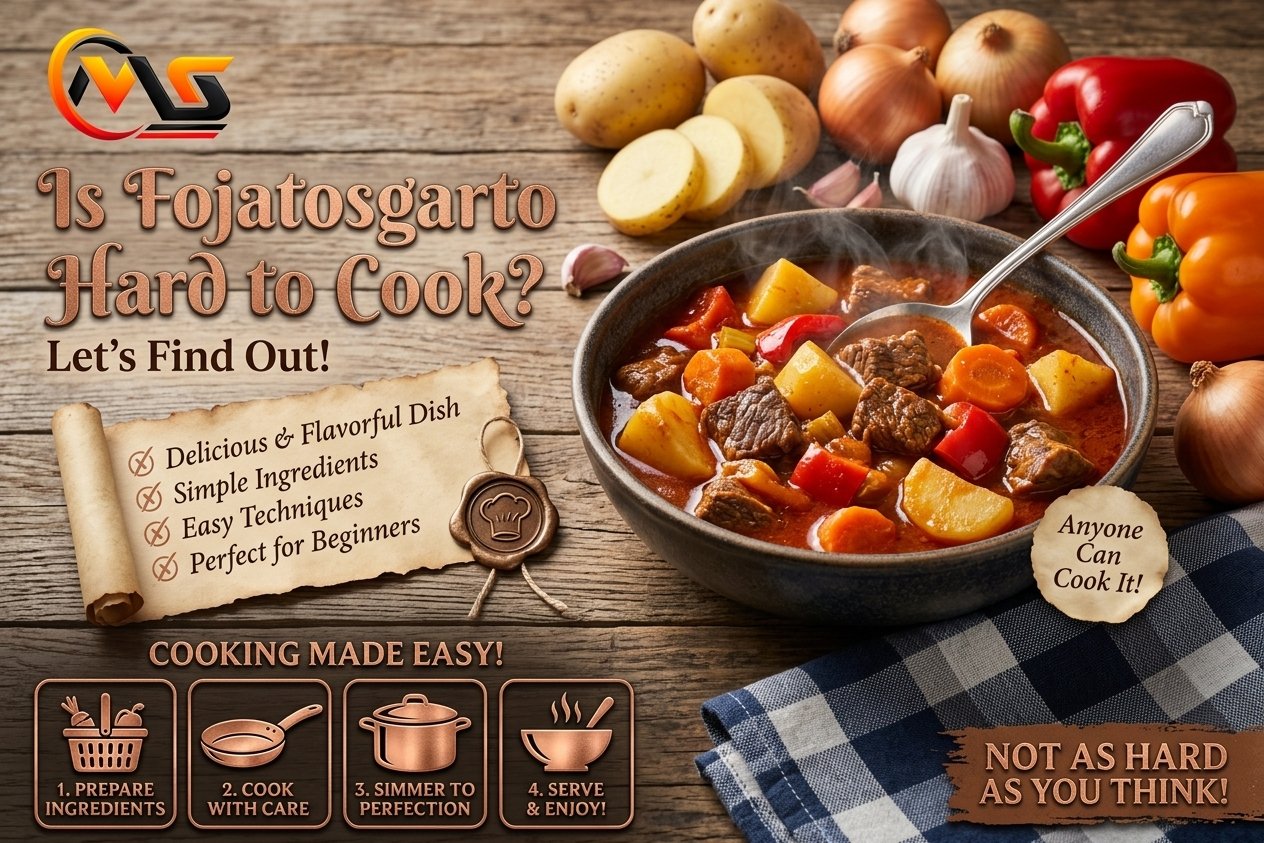
If you’ve recently searched “is fojatosgarto hard to cook,” you’re probably curious about two things: what this unusual food name refers to and whether an ordinary home cook can prepare it successfully. The term isn’t well documented in major culinary references, and online descriptions vary considerably. Some describe it as a slow-cooked, savory dish involving meat, vegetables, spices, and a rich sauce, while others present completely different versions.
In this guide, you’ll learn:
- Why fojatosgarto can seem difficult at first
- Which cooking techniques commonly appear in online versions
- How beginners can approach the preparation
- What mistakes can affect the final result
- How to make the cooking process easier
What Is Fojatosgarto?
The first challenge with fojatosgarto is defining exactly what it is. Unlike famous dishes with well-established recipes, the term appears online with several different descriptions. Some recent food articles portray it as a hearty, slow-cooked meal with meat, vegetables, paprika, garlic, and a sauce, while other pages describe different ingredients and preparation methods.
That uncertainty means you shouldn’t assume there is one universally accepted recipe. If you’re following a particular recipe, use that source’s ingredient list and cooking instructions rather than combining details from unrelated pages.
For a beginner, this is actually useful. You can think of the dish as a cooking project built around familiar techniques rather than something requiring professional culinary training. Browning ingredients, sautéing vegetables, controlling heat, building a sauce, and allowing flavors to develop slowly are all skills that can be learned at home.
Is Fojatosgarto Hard to Cook?
The short answer is not necessarily. The difficulty depends heavily on the version you’re preparing and your experience in the kitchen. Several online descriptions emphasize that the process is more about patience, timing, and heat control than advanced cooking skills.
The part that may intimidate beginners is the number of stages. You might need to prepare ingredients, brown a protein, cook aromatics, develop a sauce, and then allow everything to simmer. None of these steps is particularly complicated on its own, but rushing through them can affect the finished dish.
A first attempt may feel slower because you’re checking temperatures, reading instructions, and deciding when each ingredient is ready. Once you’ve made a similar braised or one-pot meal before, the process becomes much more familiar. The real lesson is simple: don’t confuse time-consuming with technically difficult.
The Cooking Techniques Behind the Dish
Many online versions of fojatosgarto rely on techniques that are common in home kitchens. Browning is often one of the first stages because it gives meat or other ingredients a deeper color and richer flavor. Sautéing onions, garlic, or peppers can then create an aromatic foundation for the sauce.
Deglazing may also be part of the process. This involves adding a small amount of liquid to a hot pan and loosening the flavorful browned material from its surface. After that, gentle simmering allows the ingredients to cook together and develop a more rounded taste.
| Technique | Main Purpose | Beginner Difficulty |
|---|---|---|
| Chopping | Prepares ingredients evenly | Easy |
| Browning | Builds color and flavor | Easy to moderate |
| Sautéing | Softens aromatic vegetables | Easy |
| Deglazing | Incorporates browned flavors | Moderate |
| Simmering | Develops tenderness and flavor | Easy |
| Seasoning | Balances the final taste | Moderate |
These techniques may sound culinary, but none requires professional equipment. A good pan, sharp knife, wooden spoon, and reliable heat source are usually enough for this style of cooking.
Why Beginners May Find It Challenging
The biggest obstacle isn’t usually a complicated recipe. It’s knowing when to move from one stage to the next. A beginner may turn the heat too high, brown ingredients too quickly, or add liquid before enough color has developed.
Temperature control matters particularly during simmering. A gentle simmer gives ingredients time to become tender while helping the sauce develop. A vigorous boil can produce a different texture and may cause some ingredients to break apart before the flavors have properly developed.
Timing also becomes easier when you prepare everything before turning on the stove. Chop vegetables, measure seasonings, and have your cooking liquid ready. This simple preparation prevents the common problem of scrambling for ingredients while something is already cooking.
The more organized you are, the less complicated the recipe feels.
How to Make Fojatosgarto Easier
A beginner-friendly approach starts before the actual cooking begins. Read the complete recipe once, check that you have all the ingredients, and prepare the items that need chopping or measuring. This removes much of the pressure from the active cooking stage.
Choose ingredients that you’re comfortable handling. If a recipe gives several substitution options, don’t immediately choose the most complicated one. Familiar vegetables and a straightforward protein can make your first attempt easier.
Another useful habit is to avoid constantly changing the heat. Beginners sometimes turn the stove up because the food isn’t cooking quickly enough. Slow cooking doesn’t become better simply because the temperature is higher. If the recipe calls for gentle simmering, give it time.
Finally, taste carefully as the dish progresses. Seasoning isn’t something that should always happen only at the end. Small adjustments can help you understand how salt, spices, acidity, and richness interact.
Common Mistakes to Avoid
Overcrowding the pan is one mistake that can prevent proper browning. When too many ingredients release moisture at once, they may steam instead of developing the deeper color you’re looking for. Cooking in smaller batches can take slightly longer but often produces better results.
Another problem is burning spices. Paprika and other ground seasonings can become bitter when exposed to excessive heat for too long. If a recipe instructs you to add spices at a particular stage, follow that timing rather than frying them aggressively.
Using too much liquid can also change the consistency. If you’re preparing a sauce-based dish, adding more broth simply because the pan looks dry may leave the final result thin. Follow the recipe’s measurements and make adjustments gradually.
Perhaps the most common mistake is impatience. Online descriptions repeatedly emphasize that slow, controlled cooking plays a major role in versions of fojatosgarto. A little extra time can make a noticeable difference in texture and flavor.
A Good First-Time Cooking Strategy
If you’re completely new to this dish, don’t try to make your first attempt unnecessarily elaborate. Start with a straightforward recipe and focus on learning the basic techniques rather than creating a restaurant-style presentation.
Give yourself enough time so you aren’t watching the clock. Cooking becomes much easier when you’re not trying to finish a slow-cooked dish in the final twenty minutes before dinner. Keep your workspace organized and clean small items as you go.
It’s also worth remembering that a first attempt doesn’t need to be perfect. Perhaps the sauce will be slightly thicker than expected, or the seasoning will need adjustment. That’s part of learning. Write down what worked and what you’d change next time.
Once you’ve successfully prepared the basic version, experimenting becomes much safer. You can then adjust vegetables, seasonings, cooking liquids, or garnishes according to your preferences.
What Makes Fojatosgarto Worth Trying?
An unfamiliar recipe can be appealing precisely because it gives you something new to learn. Even though the online information surrounding fojatosgarto is inconsistent, the cooking methods described by several sources involve familiar comfort-food techniques.
For someone learning to cook, that makes the dish a useful exercise. You can practice browning, seasoning, simmering, and sauce preparation in one meal. Those skills transfer directly to many other recipes.
There’s also something satisfying about making a dish that initially looks complicated and discovering that its individual steps are manageable. The process encourages patience rather than speed, which is a valuable cooking habit.
Just remember that because the name doesn’t have a clearly established recipe across the sources reviewed, it’s better to follow a specific, tested recipe rather than assuming every online version describes the same dish.
Conclusion
So, is fojatosgarto hard to cook? For most home cooks, the answer is likely no, provided you follow a clear recipe and give the process enough time. The bigger challenge is understanding which version you’re actually preparing because online descriptions of the dish differ considerably. Once you focus on familiar techniques such as browning, sautéing, simmering, and careful seasoning, the cooking process becomes much less intimidating. Start simply, stay patient, and treat your first attempt as a learning experience rather than a test of professional cooking skills.
FAQs
Is fojatosgarto suitable for beginner cooks?
It can be, especially if you choose a straightforward version and already understand basic kitchen skills. The techniques commonly described online include browning, sautéing, seasoning, and simmering. These are manageable for beginners when performed carefully and without rushing.
How long does fojatosgarto take to cook?
The cooking time depends on the particular recipe because there doesn’t appear to be one standardized version of the dish. Some online descriptions suggest a relatively long simmering or braising stage, while others describe shorter preparations. Always follow the timing provided by your chosen recipe.
What is the hardest part of cooking fojatosgarto?
For a beginner, heat control and timing may be the most challenging parts. Browning requires enough heat to develop color without burning ingredients, while simmering requires patience. Preparing ingredients beforehand can make both stages much easier to manage.
Can I change the ingredients in fojatosgarto?
That depends on the specific recipe you’re using. Since online descriptions vary, some versions may allow substitutions while others rely on particular ingredients for their intended flavor. If you’re experimenting, make one change at a time so you can understand how it affects the finished dish.
Why is there so much different information about fojatosgarto?
The term appears to have limited and inconsistent culinary documentation online. Different websites describe different ingredients, origins, and techniques rather than pointing to one authoritative recipe. That’s why it’s wise to identify a specific recipe and source before shopping for ingredients or beginning the cooking process.
