


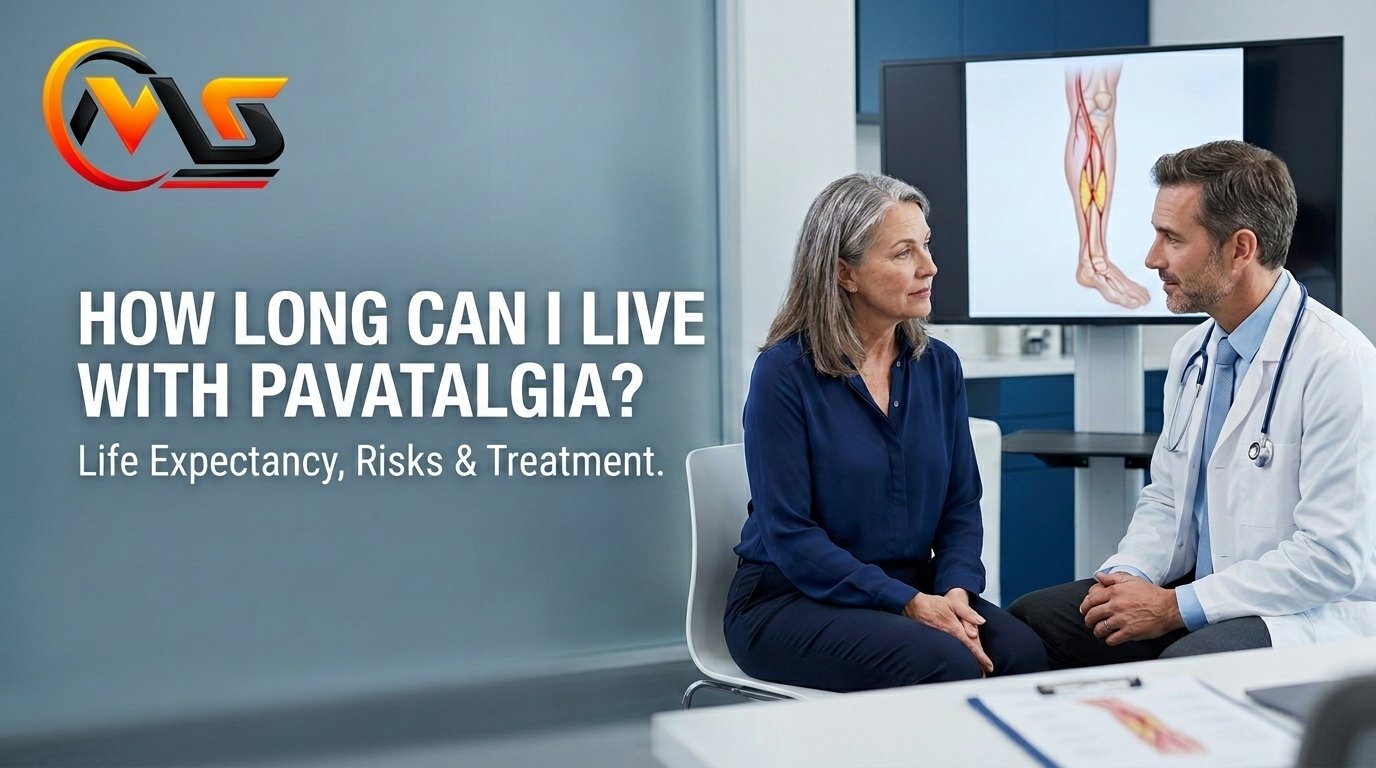
Pavatalgia is a term that may be used online in connection with peripheral vascular pain, but it is not a standard medical diagnosis that can be confidently equated with peripheral artery disease (PAD). If the intended condition is PAD, many people can live for years with proper medical care, but their long-term outlook depends on disease severity, cardiovascular health, and treatment. PAD occurs when narrowed arteries reduce blood flow, particularly to the legs and feet. It can increase the risk of heart attack, stroke, and serious limb complications. Understanding the symptoms, seeking an accurate diagnosis, and managing risk factors can help protect long-term health.
What Is Pavatalgia?
The word pavatalgia is not a widely recognized medical diagnosis. The meaning should be verified before assuming that it describes a particular vascular disease. One possible related condition is peripheral artery disease (PAD), which can cause pain in the legs because narrowed arteries restrict blood flow to the muscles.

PAD often develops when fatty deposits, cholesterol, and other substances accumulate inside artery walls. This process is known as atherosclerosis. As arteries narrow, the muscles may not receive enough oxygen-rich blood during physical activity.
A related symptom is intermittent claudication, which causes aching, cramping, or discomfort while walking or climbing stairs. The pain often improves after resting. However, not all leg pain is caused by PAD, so an accurate medical assessment is essential.
How Long Can I Live With Pavatalgia?
There is no reliable life-expectancy figure for pavatalgia itself because the term does not establish a confirmed diagnosis. If the intended condition is PAD, survival varies considerably between individuals.
Some people have mild disease that remains manageable for years. Others have more advanced artery narrowing or additional health problems that increase their risk of serious complications.
The following factors can influence a person’s outlook:
- Disease severity: Mild symptoms and severe reductions in blood flow do not carry the same risks.
- Heart and blood vessel health: PAD can indicate a broader problem affecting arteries throughout the body.
- Diabetes and high blood pressure: Poorly controlled conditions can contribute to vascular complications.
- Smoking: Tobacco use is a major risk factor for PAD and can worsen blood vessel damage.
- Treatment and follow-up: Appropriate medication, lifestyle changes, and medical procedures can help reduce risks.
No single symptom or online search term can predict how long an individual will live. A doctor needs to assess the actual condition, medical history, and test results.
Is Peripheral Artery Disease Life-Threatening?
PAD is not automatically a terminal condition, but it should never be ignored. It is associated with a higher risk of heart attack, stroke, poor wound healing, and loss of a limb in severe cases.

The level of risk depends on how much blood flow is restricted and whether other arteries are affected. Someone with stable symptoms may need ongoing treatment and monitoring, while a person with severe circulation problems may need urgent specialist care.
Seek emergency medical help if a foot or leg suddenly becomes very painful, cold, pale or blue, numb, or weak. These symptoms can indicate an acute loss of blood flow. Non-healing wounds, blackened skin, or persistent pain at rest also require prompt medical assessment.
What Are the Common Symptoms of PAD?
Symptoms vary, and some people have no obvious symptoms. When signs do occur, they may include:
- Leg pain while walking that improves with rest.
- Cramping or aching in the calves, thighs, or buttocks.
- Numbness, weakness, or a feeling of heaviness in the legs.
- One foot feeling colder than the other.
- Pale, bluish, or otherwise unusual skin color.
- Slow-growing toenails or reduced hair growth on the legs.
- Sores on the toes or feet that heal slowly or fail to heal.
These symptoms do not prove that someone has PAD. Nerve problems, joint conditions, and other circulation disorders can cause similar discomfort. Persistent or worsening symptoms should be evaluated by a healthcare professional.
What Factors Affect Life Expectancy With PAD?
Several medical and lifestyle factors influence the long-term outlook for someone with peripheral artery disease.
| Factor | Why it matters |
|---|---|
| Smoking | Damages blood vessels and increases vascular risk |
| Diabetes | Can worsen circulation and slow wound healing |
| High blood pressure | Increases strain on the cardiovascular system |
| High cholesterol | Contributes to plaque buildup in arteries |
| Disease severity | Severe blood-flow restriction raises the risk of limb complications |
| Consistent treatment | Helps control risk factors and reduce complications |
A person may have more than one risk factor. For example, PAD combined with diabetes and smoking may require more intensive management than mild PAD without other major health problems.
The most useful approach is to identify and control the risks that can be changed. Regular medical reviews help clinicians assess whether symptoms are stable or whether further investigation is needed.
How Is Peripheral Artery Disease Diagnosed?
Doctors usually begin with a medical history, physical examination, and assessment of circulation in the legs and feet. They may ask whether the pain occurs during walking, whether rest relieves it, and whether the patient has diabetes, high cholesterol, or a history of smoking.

Common diagnostic tests include:
- Ankle-brachial index (ABI): Compares blood pressure at the ankle with blood pressure in the arm.
- Doppler ultrasound: Uses sound waves to assess blood flow through arteries.
- Blood tests: May help evaluate cholesterol, blood sugar, and other relevant risk factors.
- CT or MR angiography: May be used when detailed images of blood vessels are needed.
The choice of tests depends on symptoms and examination findings. An accurate diagnosis is important because different causes of leg pain require different treatments.
What Treatments Can Help You Live Longer With PAD?
Treatment aims to improve circulation and mobility while reducing the risk of heart attack, stroke, and serious limb complications. The appropriate plan depends on the severity of the disease and the person’s overall health.

Important treatment approaches include:
- Stopping smoking: Avoiding tobacco is one of the most important steps for vascular health.
- Supervised exercise: A clinician-recommended walking program can improve walking ability in people with stable PAD.
- Medication: Doctors may prescribe medicines to manage cholesterol, blood pressure, diabetes, or clotting risk, depending on the patient’s needs.
- Heart-healthy eating: A balanced diet can support healthier cholesterol levels and blood pressure.
- Procedures when necessary: Angioplasty, stenting, or bypass surgery may be considered for selected patients with significant circulation problems.
Do not start, stop, or change prescription medicines without medical advice. Exercise plans should also be discussed with a clinician, particularly if pain occurs at rest or wounds are present.
Can You Live a Normal Life With PAD?
Many people with PAD can continue daily activities when their condition is diagnosed and managed appropriately. However, the experience differs from person to person.
Some individuals mainly need risk-factor control, medication, and an exercise plan. Others may need procedures or more frequent monitoring because their circulation is severely affected.
Practical steps that support long-term health include:
- Attend follow-up appointments and take prescribed medicines as directed.
- Check your feet regularly for cuts, blisters, discoloration, and sores.
- Manage blood sugar, blood pressure, and cholesterol.
- Follow an appropriate physical activity plan.
- Seek medical attention promptly if symptoms worsen.
The goal is not simply to reduce leg pain. It is also to preserve mobility, protect the feet and legs, and reduce cardiovascular risks.
Frequently Asked Questions
1. How long can I live with pavatalgia?
There is no established life-expectancy estimate for pavatalgia as a medical diagnosis. If the term refers to PAD, many people live for years with treatment, but their outlook depends on disease severity and overall health.
2. Is pavatalgia the same as peripheral artery disease?
Not as a confirmed medical term. PAD is a recognized condition that reduces blood flow through narrowed arteries. The exact meaning of pavatalgia should be verified rather than assumed.
3. Can peripheral artery disease be cured?
PAD can often be managed, although underlying atherosclerosis may require lifelong attention. Lifestyle changes, medication, and sometimes vascular procedures can improve symptoms and reduce complications.
4. What happens if PAD is left untreated?
Untreated PAD can worsen and cause non-healing wounds, infections, or tissue damage. It is also associated with increased risks of heart attack and stroke.
5. When should I seek medical help?
Arrange a medical assessment for recurring leg pain, especially when walking. Seek emergency care for sudden severe leg pain accompanied by coldness, pale or blue skin, numbness, or weakness.
Conclusion
The answer to “how long can I live with pavatalgia” depends first on what the term actually means. If you are referring to peripheral artery disease, it is possible to live for many years with appropriate care, but the condition carries important cardiovascular and limb-related risks. Early diagnosis, smoking cessation, management of diabetes and cholesterol, and a clinician-guided treatment plan can help improve the outlook. Persistent leg pain should never be dismissed, and sudden changes in circulation require urgent attention.
Also Read: 5StarsStocks.com Passive Stocks: A Complete Guide to Long-Term Investing
