


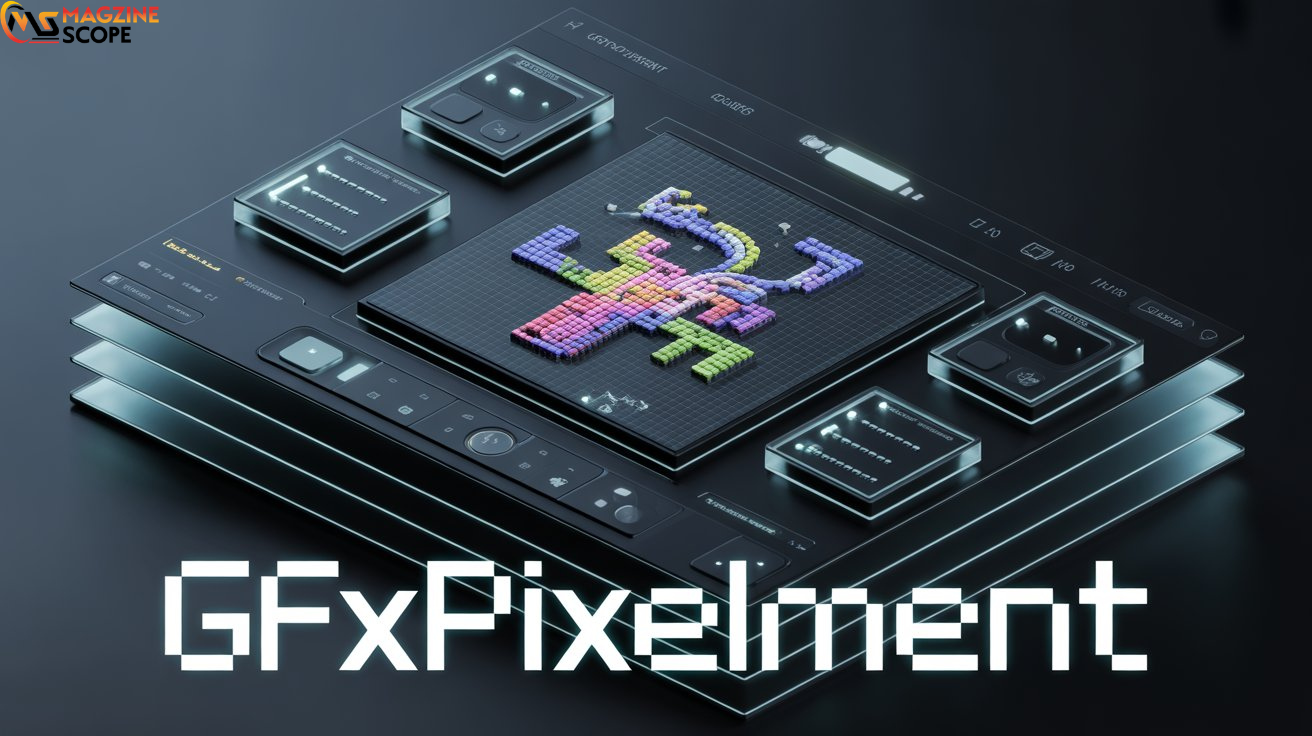
If you are just starting with digital art or design, software GFXPixelment is a fantastic tool to explore. It focuses on pixel-perfect graphics, which means every tiny square, or pixel, you place matters. This makes it perfect for beginners because it teaches attention to detail while keeping things simple and approachable.
Using GFXPixelment, you can create icons, sprites for games, or simple illustrations without feeling overwhelmed by complex menus or unnecessary features. Its beginner-friendly interface allows you to experiment and learn while producing professional-looking pixel art, which is why it’s becoming increasingly popular this year.
What Is Software GFXPixelment?
GFXPixelment is a digital art tool designed specifically for creating pixel-based graphics. Unlike traditional graphics software, which often focuses on smooth lines and gradients, this software gives you precise control over each individual pixel. It matters because beginners can see every step they make, and it’s easier to correct mistakes and understand how images are built. The software helps you develop skills that are useful in video game design, app development, and retro-style graphics projects, making it not only beginner-friendly but also relevant for future creative work.
Key Features and Concepts
Pixel art may seem intimidating at first, but GFXPixelment makes it simple by organizing your workspace into a clear grid where each square represents a pixel. You have access to a color palette to pick or mix colors, basic brushes and erasers for precise control, and layers to separate different elements of your artwork. Zooming in lets you see individual pixels clearly, and naming layers keeps your work organized. Beginners should experiment with small canvases first, using the single-pixel brush for details and the fill tool to cover larger areas quickly. It’s also helpful to use limited color palettes to practice shading and depth without being overwhelmed.
Practical Beginner Tips
To get started quickly, follow a few simple tips that make learning faster and more enjoyable:
- Start with tiny projects like single characters or icons.
- Stick to a small number of colors to maintain clarity.
- Save your work frequently to avoid losing progress.
- Use reference images to replicate basic shapes pixel by pixel.
- Practice shading using 2-3 tones of a single color for depth.
These small habits help beginners build confidence while avoiding common mistakes, and they create a solid foundation for more advanced projects later.
Comparing New vs. Older Versions
| Feature | Older Version | New Version |
|---|---|---|
| User Interface | Basic and clunky | Clean, beginner-friendly |
| Brushes | Limited options | Multiple customizable brushes |
| Layer Support | Basic layers | Advanced layering and grouping |
| Export Options | Few formats | PNG, GIF, SVG supported |
| Performance | Slower on large files | Optimized and faster |
The table shows that the new version of GFXPixelment is more efficient, easier to navigate, and includes tools that beginners will find extremely helpful, making learning smoother and faster compared to older versions.
Advanced Guidance
Once you are comfortable with the basics, you can explore advanced features like animation, custom brushes, and professional exporting. Try creating small animated sequences like bouncing balls or blinking icons to practice timing and movement. Experiment with custom brushes to simulate textures such as clouds, grass, or fur. Export your work in GIFs or spritesheets for use in games, and always keep layered files intact so you can adjust or improve them later. Sharing your layered files with other artists for feedback is also a great way to learn new techniques and improve your workflow.
Common Beginner Problems
Many beginners make simple mistakes that can be easily fixed with the right approach. Pixel misalignment happens when individual squares are not perfectly placed, but using the zoom and grid feature fixes this. Color overlap can occur when the fill tool spreads beyond intended areas, and working on separate layers helps prevent this. Slow workflow often comes from repeating steps manually, but learning shortcuts for brushes and tools speeds up the process. Exporting in the wrong file format can make images blurry; always choose PNG for clarity or GIF for animations. Recognizing these common mistakes early makes learning much easier.
Simple Action Plan for Beginners
If you want to start creating pixel art today, follow these steps: Download and install GFXPixelment, open a new small canvas such as 32×32 pixels, experiment with the pixel brush, practice coloring small shapes, save your work in layers, create a small icon or sprite as your first project, and gradually expand your canvas and details. This action plan gives beginners a clear path to practice effectively without feeling lost, and it ensures you build confidence quickly while producing results you can be proud of.
Why GFXPixelment Is Relevant in 2026
Pixel art is trending in games, mobile apps, and web design, making software like GFXPixelment highly relevant this year. Its simple, focused tools allow creators to start quickly while producing work that looks polished and professional. Beginners gain a skill set that can be applied to indie games, icons, digital products, and UI elements. Learning pixel art now prepares you for future creative opportunities, as retro-style graphics remain in demand and digital art skills continue to grow in popularity.
Conclusion
Starting with software GFXPixelment is a great way to enter the world of digital art because it combines simplicity, control, and fun. By learning the basics of pixel placement, color selection, and layering, beginners can create professional-looking art quickly. Practicing small projects, following tips, and gradually exploring advanced features like animation or custom brushes will improve your skills over time. Pixel art is both timeless and modern, and mastering this tool opens the door to creative opportunities that are relevant now and will remain valuable in the future. Embrace your creativity one pixel at a time and enjoy the journey of digital art.
FAQs
1. Can I use GFXPixelment on mobile devices? Yes, it works on most tablets and smartphones and supports touch-friendly controls for easy drawing.
2. Do I need prior graphic design experience? No, beginners can start from scratch because the software is simple and intuitive.
3. Can I animate my designs in GFXPixelment? Yes, the software allows simple animations, perfect for game sprites or GIFs.
4. How do I fix mistakes in pixel art? Use the undo button, the eraser tool, or separate layers to correct errors quickly without affecting the whole image.
5. What file formats can I export? You can export PNG for clarity, GIF for animations, and SVG for scalable graphics depending on your project needs.
Also read : SFFareBoxing Schedules by SportsFanFare: A Beginner’s Complete Guide
