


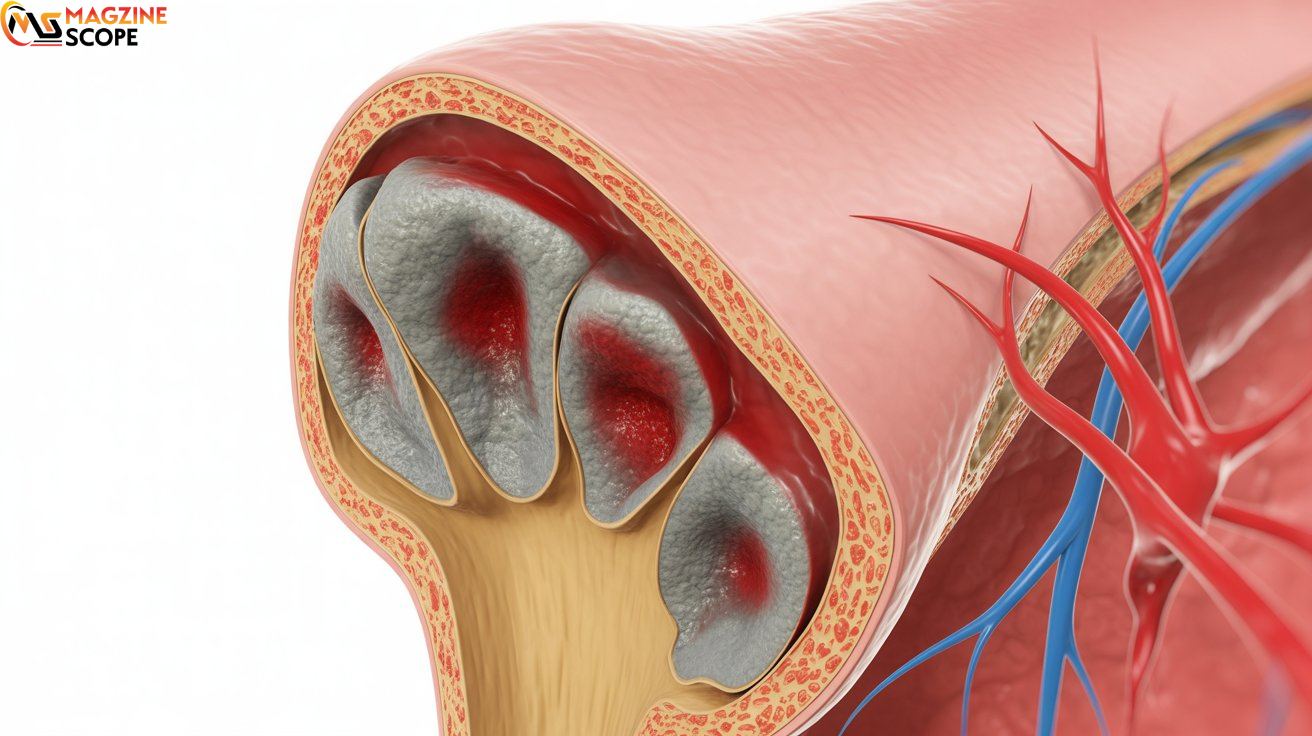
Many people first hear the word ozdikenosis online and assume it is just another rare disease name. The confusing part is not the spelling but the danger behind it. So the real question becomes why does ozdikenosis kill you and why doctors describe it as silent failure instead of sudden attack. Ozdikenosis refers to a progressive internal breakdown where the body slowly loses its ability to use oxygen and remove waste. It matters because the person often looks normal in early stages while damage is already happening. Beginners should learn this concept because understanding it helps you notice danger earlier rather than waiting for pain or collapse. When you know how the body fails step by step, the illness becomes easier to recognize and less mysterious.
The Body Stops Using Oxygen Properly
The first stage of ozdikenosis is not suffocation but oxygen misuse. You breathe normally and lungs still pull air in, yet cells cannot absorb it correctly. The body depends on oxygen to create energy inside every cell. When cells cannot produce energy, they act tired and weak even though blood oxygen may look fine. This explains the early symptoms people ignore such as heavy fatigue and slow thinking. The reason beginners misunderstand this stage is because they expect breathing problems first, but the problem actually begins inside microscopic cell structures. So when someone asks why does ozdikenosis kill you, the first answer is energy failure. Without energy the brain slows, muscles weaken and organs begin operating on emergency mode. A helpful tip is to watch for tiredness that sleep does not fix because that signals cellular stress rather than normal exhaustion.
The Brain and Nerves Become Unstable
After energy production drops, the nervous system starts miscommunicating. The brain runs on constant electrical signals and those signals depend on balanced chemistry. Ozdikenosis disrupts that balance. People may feel lightheaded, forget simple things, or struggle to focus. Families sometimes think the person is just stressed or distracted. In reality the brain is protecting itself by reducing activity. This is dangerous because it hides severity. Another reason why does ozdikenosis kill you is neurological slowdown. The brain controls breathing rhythm, heartbeat stability, and temperature regulation. When signals weaken, the body cannot react properly to danger. A beginner should remember that confusion during illness is never normal tiredness. Mental fog combined with weakness is often the moment when the condition becomes life-threatening.
Waste Builds Up Inside the Blood
The next phase involves toxin accumulation. Normally kidneys and liver clean harmful substances continuously. In ozdikenosis those cleaning processes slow because organs also lack energy. Waste chemicals remain in the bloodstream and make the blood acidic. Acidic blood irritates nerves and heart cells. The person may feel calm or sleepy instead of alarmed. This calmness is misleading because the body is shutting down protective reactions. Here we understand deeper why does ozdikenosis kill you. Death occurs when the body becomes toxic to itself. Instead of external infection destroying organs, the internal environment becomes unlivable for cells. A beginner tip is to treat unusual sleepiness during sickness seriously, especially if combined with cold hands or slow responses.
Section 4 — Multi-Organ Failure Begins
When oxygen failure and toxin buildup combine, all organs weaken together. The heart cannot pump with steady pressure. The lungs move air but cannot support cellular needs. The brain reduces activity to conserve energy. This stage is called systemic collapse. The person may appear peaceful but is actually approaching shutdown. The key lesson in understanding why does ozdikenosis kill you is that it is not one dramatic moment. It is many small failures stacking until survival systems stop. Unlike injury where a single organ fails first, ozdikenosis spreads evenly across the body. Quick treatment before this stage often prevents fatal outcome, but after this stage recovery becomes extremely difficult.
Oxygen starvation inside cells, chemical toxins rising in blood, nerve communication slowing, heart rhythm weakening, organ repair stopping, immune defense failing
| Phase | What People Think | What Actually Happens |
|---|---|---|
| Early | Just tiredness | Cells lack usable oxygen |
| Middle | Stress or anxiety | Brain signaling disrupted |
| Late | Sudden collapse | Gradual poison buildup |
| Final | Heart randomly stops | Whole system shuts down |
Advanced Guidance — Deeper Understanding
For readers who want more than a beginner view, the important concept is metabolism failure. Every cell has tiny engines called mitochondria that convert oxygen into usable energy. Ozdikenosis interferes with that conversion process. Even perfect breathing cannot compensate because the problem is chemical not mechanical. Professionals monitor acid balance and energy markers rather than only pulse or oxygen percentage. This helps them predict risk earlier. Knowing this explains again why does ozdikenosis kill you — life depends not only on oxygen presence but on oxygen usage. When usage stops, survival stops. A practical advanced tip is to monitor mental clarity changes more closely than physical pain because brain sensitivity reveals metabolic stress fastest.
Common Beginner Mistakes
Many beginners wait for dramatic symptoms. They expect severe pain, loud breathing, or collapse. Ozdikenosis rarely begins that way. Another mistake is assuming young or strong people recover automatically. Cellular failure does not depend on visible strength. Some also rely only on rest and hydration which cannot repair chemical imbalance. The best correction is early medical evaluation when unusual weakness persists. Recognizing the quiet signs answers once more why does ozdikenosis kill you — delay allows silent damage to continue unnoticed.
Action Plan
First notice unusual fatigue lasting longer than normal recovery time.
Second check for mental confusion or slower reactions.
Third observe breathing speed and heart stability.
Fourth seek medical testing early instead of self-diagnosis.
Fifth follow monitoring instructions carefully.
Sixth return immediately if awareness decreases or sleepiness increases.
Seventh avoid ignoring symptoms just because pain is absent.
Importance Today and in the Future
Modern health problems increasingly involve metabolic and cellular dysfunction rather than obvious injury. Learning why does ozdikenosis kill you prepares people for a future where early detection matters more than emergency rescue. As medicine improves monitoring tools, awareness becomes the first protection. People who understand subtle warning signs reach treatment faster and recover better. The real value of this knowledge is prevention through attention rather than reaction after collapse.
Conclusion
Understanding why does ozdikenosis kill you removes the mystery behind the condition. It slowly blocks energy production, poisons the blood, weakens the brain, and shuts down organs together. The danger is not speed but silence. By learning to respect subtle symptoms like confusion and unusual exhaustion, anyone can respond earlier and improve outcomes. Awareness turns a hidden threat into a manageable one, and simple attention to your body becomes the strongest protection you have.
FAQs
1. Does ozdikenosis cause pain?
Usually no, it mainly causes weakness and confusion.
2. Can breathing look normal?
Yes, because the issue is oxygen usage not airflow.
3. Why is it dangerous to wait?
Damage happens silently before visible symptoms appear.
4. What is the earliest warning?
Persistent fatigue that rest cannot fix.
5. Can early treatment help?
Yes, early intervention greatly improves survival.
Also read : Tech News Pboxcomputers: The Beginner’s Friendly Way to Understand Technology
