


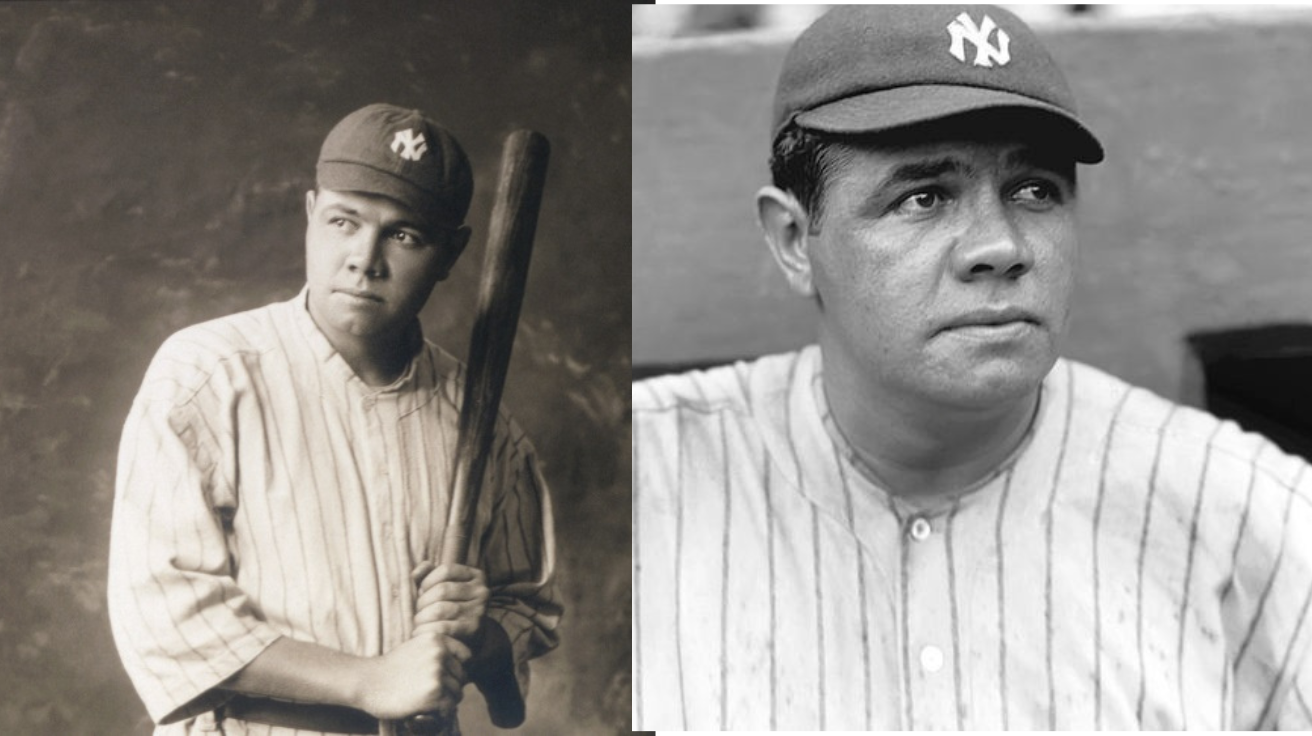
Baseball fans and history enthusiasts alike often ask an intriguing question: was Babe Ruth black? Babe Ruth, also known as “The Sultan of Swat,” remains one of the most iconic figures in American sports history. However, in the age of social media, myths and rumors about famous personalities can spread quickly, and Babe Ruth’s racial background has been a subject of curiosity for some. This article will explore the truth, clarify misunderstandings, and provide a clear, beginner-friendly perspective.
Understanding this topic is important because it helps separate fact from fiction, encourages critical thinking, and deepens appreciation for baseball history. Whether you’re a sports fan, a history student, or just curious, learning the facts behind the legend makes discussions about Babe Ruth more informed and meaningful.
Key Facts About Babe Ruth’s Background
Babe Ruth, born George Herman Ruth Jr. in 1895 in Baltimore, Maryland, was of European descent. His parents were both white, and there is no historical evidence suggesting he was Black. Ruth’s family background was Irish-German, which was typical for many immigrants in the northeastern United States at that time.
Despite this, some rumors about Babe Ruth’s race have circulated online due to photos of him in sepia tones, early baseball storytelling, and mistaken assumptions about early 20th-century players’ appearances. It’s essential to approach these myths critically and rely on documented historical records.
Core Principles to Understand the Babe Ruth Myth
1. Historical Records Matter
When exploring historical figures, primary sources like birth certificates, census records, and newspaper archives are reliable. Babe Ruth’s documents clearly show he was white.
2. Images Can Be Misleading
Old photographs and sepia-toned images sometimes create illusions about a person’s race. Misinterpretation of these images can spread false claims.
3. Legends Grow Faster Than Facts
Babe Ruth’s larger-than-life persona contributes to myths. People sometimes invent stories to make legends more relatable or mysterious, but these are not historically accurate.
4. Social Media Amplifies Rumors
Online platforms often circulate unverified claims. Critical thinking and checking credible sources help in separating facts from fiction.
Beginner Tips for Learning About Sports History
For beginners curious about sports history and myths like “was Babe Ruth black,” it’s important to start with small, actionable steps:
- Start with credible sources such as biographies, history books, and official MLB records.
- Use libraries or digital archives to read newspapers and documents from Ruth’s era.
- Watch documentaries about baseball’s early days; these often clarify myths.
| Beginner-Friendly Project Ideas | Description |
|---|---|
| Timeline of Babe Ruth’s Life | Create a visual timeline of his career milestones. |
| Myth vs. Fact Chart | Compare rumors about players with verified facts. |
| Baseball History Blog | Write short articles debunking myths like Ruth’s race. |
Exploring these projects helps beginners build research skills and gain confidence in discussing sports history.
Advanced Tips for Career Growth or Next Steps
For those wanting to dive deeper into sports history or journalism:
- Learn archival research to access rare newspapers, letters, and photographs.
- Study sociocultural history to understand the context of racial myths in early 20th-century America.
- Consider taking online courses in sports journalism or history, which help you write accurate, engaging content about legends like Babe Ruth.
As you advance, you may even specialize in debunking myths or creating historical content for blogs, documentaries, or podcasts.
Common Challenges and Solutions
Challenge 1: Conflicting Information Online
Solution: Verify information with multiple reliable sources like MLB records or academic publications.
Challenge 2: Misleading Photos and Videos
Solution: Check the original source and historical context. Don’t rely solely on images for racial identification.
Challenge 3: Bias in Secondary Sources
Solution: Cross-reference facts across biographies, newspapers, and archives to avoid repeating inaccuracies.
How to Apply These Tips Today
Here’s a simple, step-by-step plan for beginners to explore myths and history confidently:
- Pick a myth or question about a sports figure (like Babe Ruth).
- Identify at least three credible sources to consult.
- Take notes on facts vs. rumors.
- Create a short summary or visual chart showing your findings.
- Share your research with friends, online communities, or a blog post.
Daily habits, like reading historical articles for 15–20 minutes or watching educational documentaries, gradually improve your knowledge and critical thinking.
Why These Tips Matter in 2026 and Beyond
In 2026, digital platforms continue to spread both facts and misinformation rapidly. Being able to research, fact-check, and understand history is crucial, not just for sports myths, but for broader media literacy. Skills like critical thinking, archival research, and clear writing remain highly relevant for education, journalism, and personal enrichment. Learning to approach legends like Babe Ruth thoughtfully helps ensure history is preserved accurately for future generations.
Conclusion
The question “was Babe Ruth black” highlights the importance of critical thinking, research, and separating myth from fact. Babe Ruth remains an icon in baseball history, not because of rumors, but because of his talent, charisma, and impact on the sport. By following the beginner tips, advanced strategies, and daily habits outlined above, you can confidently explore sports history, debunk myths, and appreciate the real story behind legends.
Whether you’re a student, a fan, or an aspiring sports writer, taking the time to learn and verify information builds confidence and makes you a more informed storyteller. Remember, curiosity and careful research are your best tools for understanding history—so keep exploring, questioning, and celebrating the real legends.
FAQs About Babe Ruth’s Background
1. Was Babe Ruth black?
No, historical records confirm Babe Ruth was white. He had Irish-German ancestry.
2. Why do some people think he was black?
Old photographs, sepia tones, and myths circulating online have caused confusion.
3. Did Babe Ruth face racial discrimination in baseball?
Ruth, as a white player, did not face racial discrimination like Black players did during his era.
4. How can I verify facts about historical figures?
Use primary sources such as birth certificates, newspapers, biographies, and official archives.
5. Are there other myths about Babe Ruth?
Yes, many stories exaggerate his abilities, lifestyle, or personal life. Cross-checking sources is key.
Also read : Zenvekeypo4 Software: What You Need to Know A Beginner‑Friendly Guide
